A good shed paint does more than improve how your garden shed looks. It protects the timber from rain, UV damage, mould, and rot. The wrong paint flakes within months. The right one keeps your shed protected for years with minimal upkeep.
If you’re trying to find the best paint for garden shed projects, focus on three things first: weather protection, durability, and ease of application. Some paints are designed purely for colour, while others act as a full waterproof barrier.
This guide covers the best shed paint options, how to choose the right one, and how to make the finish last longer.
Not all shed paints work the same way. The biggest mistake people make is buying paint based on colour alone.
Water-based shed paints are now the most popular option. They dry quickly, smell less, and are easier to clean up. Most modern exterior wood paints fall into this category. They’re ideal for general garden sheds and routine maintenance.
Oil-based paints offer deeper penetration and can last longer in harsh weather. The downside is they take longer to dry and are harder to apply evenly. Some also fade faster under strong sunlight.
Then you have wood stains and preservatives. These don’t fully cover the wood grain. Instead, they soak into the timber while adding water resistance and UV protection. If you like the natural wood look, stains are often the best shed paint option.
Acrylic exterior paints sit somewhere in the middle. They create a flexible protective layer that expands and contracts with temperature changes. That flexibility helps prevent cracking during winter.
The type of timber matters too. Rough sawn sheds absorb far more paint than smooth planed timber. Always check coverage rates before buying.
When people search for the best paint for garden shed protection, a few products consistently stand out.
Cuprinol Ducksback is one of the most popular choices for UK sheds because it’s designed specifically for rough sawn timber. It offers solid waterproof protection and usually lasts around five years before needing another coat.
It’s easy to apply, available in plenty of colours, and gives a matt finish that suits most gardens.
Ronseal is popular because it’s affordable and beginner-friendly. Coverage is strong, and most sheds only need one or two coats.
It’s not the toughest option for exposed coastal areas, but for standard garden use, it performs well.
If you want a more premium finish, Protek is worth considering. It combines strong waterproofing with rich pigmentation and works well on sheds, summerhouses, and garden rooms.
It also tends to hold colour better over time compared to cheaper paints.
For older sheds or timber already showing wear, Barrettine is excellent. It penetrates deep into the wood and helps protect against rot, algae, and fungal growth.
It’s more functional than decorative, but ideal if protection is the main goal.
Treatex Exterior Oil is made from natural, sustainable materials like sunflower oil, soybean oil, and natural waxes. It contains no toxic substances, making it a great choice for both new and renovated finishes. You can use it on cladding, doors, windows, garden structures, and other exterior woodwork.
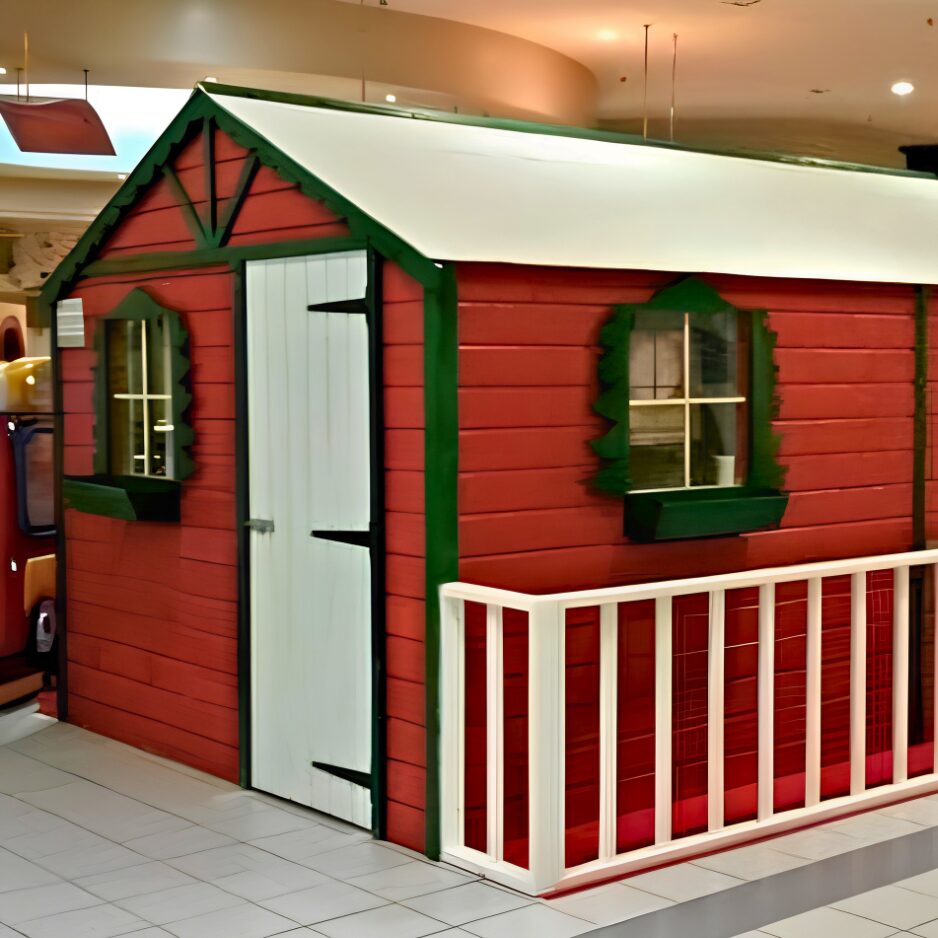
The best waterproof shed paint creates a protective barrier without trapping moisture inside the wood.
That balance matters. If moisture gets trapped beneath thick paint layers, timber eventually cracks, swells, or peels.
Look for paints labelled as:
Microporous paint is particularly useful because it allows the timber to breathe while still repelling rainwater.
For sheds exposed to constant rain or damp conditions, applying a separate wood preserver before painting is smart. This extra layer helps prevent internal rot, especially around the base of the shed.
Dark colours often last longer visually because dirt and algae are less noticeable. Lighter shades look cleaner initially but may need more maintenance over time.
Even the best shed paint fails if applied badly.
Start by cleaning the timber properly. Remove dirt, loose paint, mould, and cobwebs. If old paint is flaking, sand it back first.
Always paint onto dry timber. Painting damp wood locks moisture inside and shortens the life of the finish.
A brush usually gives the best coverage on rough timber because it pushes paint into the grain. Rollers are quicker on smooth surfaces, while sprayers work well for large sheds if you know what you’re doing.
Apply thin, even coats rather than one heavy layer. Thick coats dry unevenly and crack faster.
Weather matters too. Avoid painting during direct hot sun or when rain is expected within 24 hours.
Garden sheds are no longer just storage boxes hidden at the back of the garden. Many people now use them as offices, gyms, bars, or summerhouses, so appearance matters more.
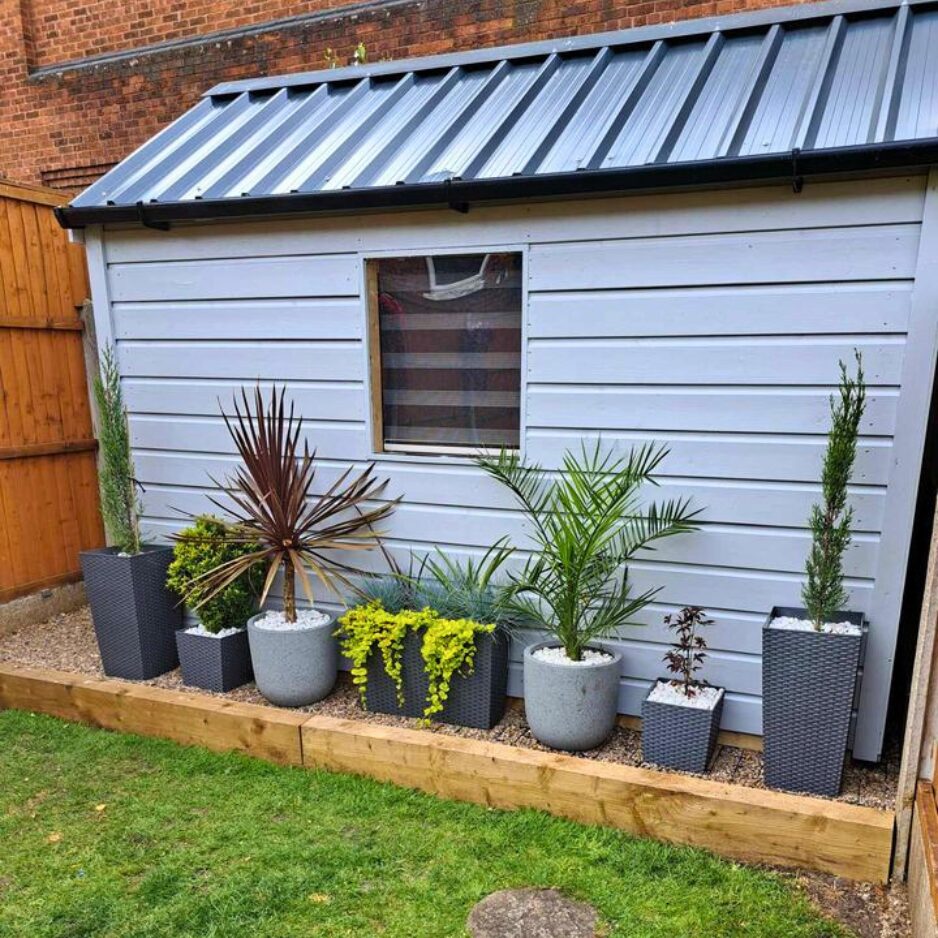
Dark grey remains one of the biggest trends because it gives sheds a clean modern look. Black is becoming more common too, especially in contemporary gardens.
Natural greens still work well if you want the shed to blend into planting and landscaping.
Blue shades are growing in popularity for coastal-style gardens, while muted earthy tones suit traditional spaces better than bright colours.
The safest approach is choosing a colour that complements fences, decking, or outdoor furniture nearby.
Most people wait too long before maintaining shed paint.
A quick yearly inspection prevents expensive repairs later.
Check for:
Cleaning the shed once or twice a year helps more than people realise. Dirt and moss trap moisture against the timber.
Trim back plants touching the shed too. Poor airflow speeds up damp problems.
If you notice small damaged areas, repaint them early instead of waiting for the whole shed to deteriorate.
The biggest mistake is skipping preparation.
People often paint directly over dirty or damp wood, then wonder why it peels within months.
Another common issue is using interior paint outside. Interior products aren’t built for rain, frost, or UV exposure.
Cheap brushes also create problems. Poor-quality brushes leave streaks, shed bristles, and make application uneven.
Over-applying paint causes trouble too. Thick coats look fine initially but crack much faster during temperature changes.
Finally, don’t ignore manufacturer drying times between coats. Rushing the job usually ruins the finish.
Choosing the best shed paint is only part of protecting your garden building. Regular maintenance, proper ventilation, and good drainage around the base matter just as much.
If your shed is older, focus on wood treatment and waterproofing first before worrying about colour. A solid protective base layer will always outperform decorative paint alone.
The good news is most modern shed paints are far better than they were a decade ago. With proper prep and decent application, you can easily get years of protection without constant repainting.